.png)

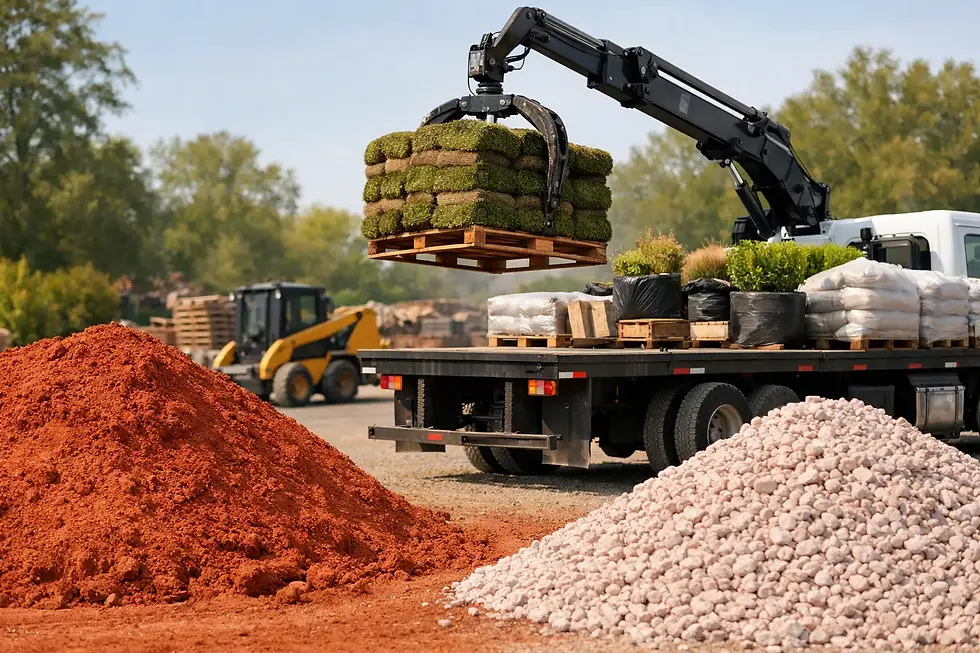
How to Choose Bulk Landscape Materials
- kirk334
- 6 days ago
- 6 min read
A garden bed can look finished on Saturday and struggle by midsummer if the material underneath it is wrong. A driveway can look smooth after a quick load of gravel, then develop ruts when snowmelt and traffic return. Choosing bulk landscape materials is not just about filling space. It is about putting the right material in the right place so your yard, garden, driveway, or project keeps working in real Utah conditions.
Buying in bulk gives homeowners and contractors more control over both cost and quality. Instead of piecing together dozens of small bags, you can order the volume needed for the job, spread a consistent product across the area, and move forward without repeated trips. The key is knowing what each material is designed to do before the truck arrives.
Start With the Result You Want
Most landscape projects fall into one of three goals: growing better plants, building a stable surface, or creating a finished look. Those goals can overlap, but they do not call for the same material.
For lawns, vegetable gardens, flower beds, and new planting areas, start with soil and organic inputs that improve the growing environment. Healthy soil holds moisture more evenly, supports root growth, and gives plants a better chance when Utah weather swings from cold, wet spring conditions to hot, dry stretches.
For driveways, parking areas, paths, and base preparation, you need aggregate that compacts and carries weight. Decorative rock is a finish material, not a substitute for a properly built base. Using a beautiful rock where road base belongs may look good briefly, but it will not solve mud, soft spots, or potholes.
For visible beds, borders, and outdoor living areas, decorative rock can provide clean color, weed suppression, and long-lasting coverage. The best choice depends on the look you want, how much foot traffic the area receives, and whether you need a material that stays put on a slope.
Bulk Landscape Materials for Healthier Soil
Utah soils can be challenging. Some are compacted, low in organic matter, or difficult to keep evenly moist. Adding the right soil amendment can make the difference between plants that merely survive and plants that establish strong roots.
Compost and Organic Materials
Fine wood compost and other organic materials are practical choices for garden beds, lawns, and planting areas that need more structure and organic matter. Compost helps loosen tight soil, supports more consistent moisture, and creates a better environment for roots. It is especially useful when preparing a new garden bed or refreshing soil that has been worked hard year after year.
Compost is not a one-size-fits-all fix. A raised vegetable garden may need a deeper blend than an established lawn, while a flower bed may benefit from a lighter topdressing. If you are incorporating compost into existing soil, spread it evenly and work it into the upper layer before planting. For established beds, a layer on top can continue improving the soil as it breaks down.
Ferrozite-Enhanced Soil
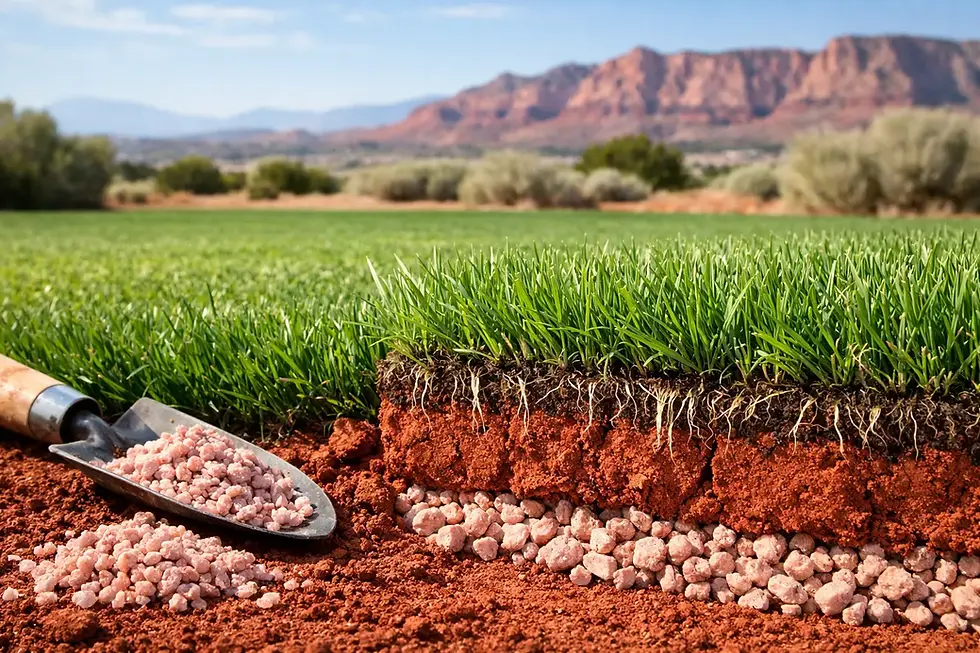
When plant performance is the priority, a specialized soil product can be worth the investment. Ferrozite-enhanced Super Soil is designed to support visible, long-term plant health in lawns, gardens, and beds. It is a practical choice for homeowners who are starting fresh, replacing poor soil, or giving a high-value growing area a better foundation.
The trade-off is simple: premium soil belongs where it can make the biggest difference. Use it in garden beds, planters, new lawn areas, and places where plants need help getting established. For a large fill project beneath a driveway or patio, a structural base material is the better fit.
Choose Aggregate by the Job, Not by Appearance
Rock products are often grouped together as gravel, but their size, shape, and fines affect how they perform. Before ordering, think about compaction, drainage, vehicle traffic, and the final surface you expect.
Road Base for Driveways and Foundations
Road base is built for performance beneath traffic and construction. It contains a blend of particle sizes that compact tightly, creating a firm layer for driveways, access roads, parking areas, and site preparation. If your dirt road turns muddy after snowmelt or develops washboarding and potholes, road base may be the material that gives it a more dependable surface.
Good preparation matters as much as the product. Remove soft, unstable material where needed, shape the area so water drains away, and compact in layers rather than spreading one deep layer and hoping it settles. A driveway that sheds water will generally last longer than one that holds it.
Gravel for Drainage and Surface Coverage
Gravel can serve different purposes depending on its size. A 1-inch-minus gravel, for example, can work well where you need a durable aggregate with some compaction and drainage characteristics. It may be used for driveways, utility areas, drainage applications, or general site improvement.
Ask how the material will behave in your specific location. A steep drive, a high-traffic parking area, and a low-traffic garden path have different needs. If you are unsure, describe the project, the square footage, and whether vehicles will use the area. A knowledgeable supplier can help match the material to the job rather than sell you a load that creates more work later.
Decorative Rock Should Finish the Project
Decorative rock is where function meets curb appeal. It can define planting beds, frame walkways, cover bare ground, and reduce the recurring work of replacing organic mulch. In dry Utah landscapes, rock is also a practical way to create a clean finished appearance while limiting water-hungry groundcover.
Strawberry Cream decorative rock gives landscapes a warm, natural color that works well with homes, garden beds, and outdoor spaces across the region. It is often chosen for its appearance, but it also offers a durable finish that does not break down like wood mulch.
Before spreading decorative rock, handle the work below it. Remove weeds, set edging where it is needed, shape the grade, and consider a suitable barrier for the application. A barrier can help separate rock from soil and limit weeds, but it is not a guarantee that no weeds will ever appear. Windblown seed and debris can still create growth at the surface, so plan for occasional maintenance.
Rock depth matters, too. Too little coverage can leave soil showing through and allow weeds to establish. Too much can make a bed look heavy and may complicate future planting. For most decorative applications, a consistent layer that fully covers the soil is more useful than uneven piles of material.
Calculate Your Order Before Delivery Day
Bulk orders are commonly measured by cubic yard. To estimate what you need, measure the length and width of the area in feet, then decide on the depth in inches. Convert the depth to feet, multiply length by width by depth, and divide by 27 to estimate cubic yards.
For example, a 20-foot-by-15-foot bed covered 3 inches deep requires about 1.85 cubic yards. Ordering a little extra is often wise because ground is rarely perfectly level, material settles, and edges can take more product than expected. For large jobs, it is better to measure twice than to pause a project because the final section came up short.
Depth changes the number quickly. Soil blends for new beds may be installed several inches deep, while decorative rock is generally applied as a surface layer. Road base depth depends on traffic, existing ground conditions, and the overall driveway build. If a project needs a reliable finished grade, take the time to establish elevations before placing material.
Plan the Delivery Location
Delivery saves time, but the drop area needs a plan. Choose a firm, accessible location with enough room for a truck to enter, unload, and exit safely. Keep piles away from low spots, drainage paths, garage access, and areas where they could block traffic or create a hazard.
Separate products if you are ordering more than one. Soil, compost, road base, gravel, and decorative rock are much easier to manage when each has a designated location. Lay down a tarp if you want to protect pavement or make cleanup easier, but make sure it is large enough to contain the load.
If access is narrow, the ground is soft, or you are concerned about overhead obstacles, discuss it before delivery. A few minutes of planning can prevent a pile from landing in the only place it is hard to move.
Buy for the Project You Have
The best material is the one that solves the problem in front of you. Use compost and quality soil products where plants need a stronger start. Use road base and gravel where water, traffic, and compaction matter. Use decorative rock once the grade and groundwork are ready for a lasting finish.
SuperSoil USA supplies practical bulk options for projects ranging from productive garden beds to durable driveways and polished landscapes. To discuss product selection, quantities, or delivery, call 435-896-5970. A well-planned load of material can turn the next weekend of work into a landscape that still looks and performs right seasons from now.

Comments