.png)

Landscape Delivery That Keeps Projects Moving
- kirk334
- 8 hours ago
- 5 min read
A yard project can stall fast when the material is sitting miles away in a pile at the supplier. Landscape delivery puts the soil, compost, rock, or road base where the work is happening, so you can spend the weekend building a better yard instead of making repeated pickup runs.
For Utah homeowners and contractors, delivery is more than a convenience. It helps you plan around dry weather, irrigation schedules, crew availability, and the simple fact that bulk materials can be hard on a pickup truck. The right load, delivered at the right time, keeps gardens, driveways, and finished landscape work moving forward.
When Landscape Delivery Makes Sense
Bulk materials are measured by the yard or ton, not by the bag. Even a modest flower bed refresh can take more product than most people expect. A cubic yard of soil or compost is a substantial load, while gravel and road base can add weight quickly. Multiple trips may cost you more time, fuel, and cleanup than arranging a delivery from the start.
Landscape delivery is especially useful when you are installing new planting beds, improving a lawn, building a gravel parking area, repairing a rural driveway, or spreading decorative rock across a large section of the yard. It is also a practical choice for contractors who need material on site before a crew arrives.
That said, pickup may still be the right choice for a small touch-up job or a few bags of material. Delivery pays off most clearly when volume, weight, and time are part of the equation.
Choose the Material for the Job
A good result starts with matching the product to the work. Soil that supports a vegetable garden is not necessarily what you need beneath a patio. Decorative rock creates a finished look, but it does not replace a properly prepared base. Knowing the purpose of each material prevents expensive do-overs.
Soil and compost for healthier growing areas
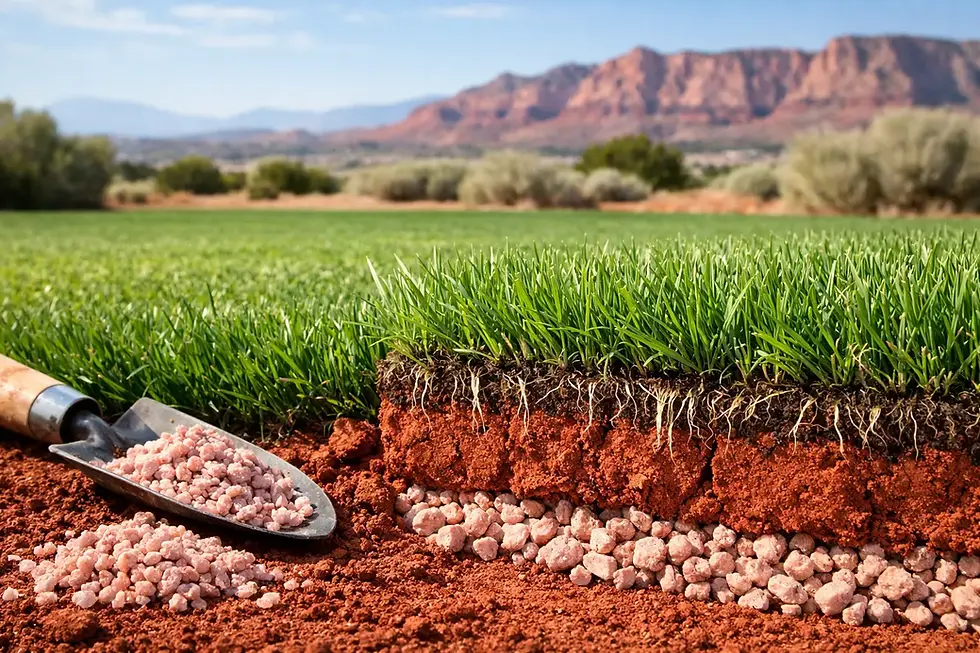
For lawns, gardens, and flower beds, start with a quality growing medium. Ferrozite-enhanced Super Soil and fine wood compost can help improve planting areas where native soil is thin, compacted, or short on organic matter. Spread material evenly, blend it into the existing soil when appropriate, and allow room for mulch or decorative finishes if those are part of the plan.
Gardeners often make the mistake of adding too little material across too large an area. Measure the length and width of the bed, decide on the depth you need, and order enough to make a meaningful improvement. A shallow dusting may look better for a day, but it will not deliver the same results as a properly prepared root zone.
Gravel and road base for surfaces that work
Road base is made for preparation and stability. It is a practical choice beneath driveways, parking pads, walkways, and other areas that need a compacted foundation. In Central Utah, where snowmelt, runoff, and regular traffic can turn a rough drive into a muddy mess, proper base material and compaction matter.
Gravel can be used for driveways, utility areas, drainage needs, and surface coverage, depending on the size and type selected. If you are repairing potholes, do not simply throw loose rock into the hole and hope for the best. Remove soft material if needed, establish drainage, add the right base, and compact in layers. The best material cannot overcome standing water or an unstable subgrade.
Decorative rock for a finished landscape
Decorative rock brings color, contrast, and lower-maintenance coverage to planting beds and landscape borders. Strawberry Cream decorative rock is a strong option for homeowners who want a warm, natural finish that complements Utah homes and outdoor spaces.
Before ordering decorative rock, decide whether the area needs soil improvement, weed-control fabric, edging, or grading work first. Rock is usually the finishing layer. Placing it too early can make later planting and leveling harder than it needs to be.
Plan the Delivery Site Before the Truck Arrives
The most successful deliveries are planned before the order is placed. A driver needs a clear route to the drop area, enough width to maneuver safely, and firm ground that can support a loaded truck. Wet lawns, soft shoulders, low branches, overhead lines, narrow gates, and parked vehicles all affect where material can be placed.
Think about how you will move the material after it is dumped. The closer the pile is to the work area, the less wheelbarrow work you will have. But a pile should not block your garage, mailbox, access road, or a neighbor's shared entrance. Keep it clear of drainage channels and avoid placing soil, compost, or rock where runoff can carry it into the street.
If access is limited, describe the situation when ordering. A straightforward conversation can help identify a practical drop location and avoid surprises on delivery day. Measure tight gates and driveways rather than guessing. It is easier to adjust the plan before a truck is dispatched.
Measure Before You Order
Ordering too little means delaying the project. Ordering too much can leave a pile that needs another use. Measurements do not have to be complicated, but they should be taken carefully.
For rectangular areas, multiply length by width to find square footage. Then choose the desired depth. A vegetable garden may need several inches of soil improvement, while decorative rock is often installed at a shallower, consistent depth. Driveway and base applications depend on traffic, existing ground conditions, and the finished surface you want.
Sloped yards, curved beds, and irregular spaces take a little more thought. Break them into smaller sections, calculate each section, and add them together. It is also reasonable to include a small allowance for settling, compaction, and uneven ground. For larger jobs or uncertain conditions, ask for help calculating the material needed rather than relying on a rough guess.
Put Delivery Day to Work
Have the site ready before the truck arrives. Move vehicles, mark sprinkler heads or other features near the drop area, and make sure someone can answer questions if placement needs to be confirmed. If the material is going into a garden bed, have rakes, shovels, wheelbarrows, and edging ready. If it is road base or gravel, plan for spreading and compaction equipment.
Do not let soil or compost sit in a tall pile longer than necessary, especially if rain is expected. Start spreading from the farthest point of the project and work back toward the pile. This keeps you from repeatedly crossing newly finished areas. With decorative rock, establish borders and install plants first whenever possible, then spread the rock evenly around them.
For driveway materials, work in manageable lifts and compact each layer. A smooth top layer without support underneath may look good briefly, then develop ruts under traffic. Taking the extra time to prepare the base is what gives the finished surface staying power.
Delivery Is Part of the Project, Not an Afterthought
Materials and delivery should be planned together. If you are scheduling help from family, a contractor, or a rented skid steer, arrange the material to arrive when those resources are available. That reduces double handling and keeps the project from stretching across several weekends.
SuperSoil USA supplies bulk soil, compost, decorative rock, gravel, road base, and other landscape materials for projects throughout Utah and surrounding states. Whether you are building a productive garden bed, restoring a driveway, or giving the front yard a cleaner finish, a well-planned material delivery can make the work far more manageable.
Call 435-896-5970 to discuss the material, quantity, and delivery plan that fits your site. A few minutes of preparation before the order can leave you with less hauling, less waste, and a landscape that is ready to grow, perform, and look good for years.


Comments