.png)

Utah Lawn Soil Guide for Stronger Grass
- kirk334
- 10 minutes ago
- 6 min read
A lawn can receive plenty of water and still look thin, patchy, or pale if the soil underneath is working against it. This Utah lawn soil guide focuses on the ground-level problems many homeowners face: hard clay, poor drainage, compacted soil, low organic matter, and grass that struggles through summer heat.
Utah soil is not one-size-fits-all. A property in Sevier County may have a very different soil profile than a yard along the Wasatch Front, but the same pattern shows up often: native soil can be dense, alkaline, rocky, or low in the organic material that helps roots spread and hold moisture. The best lawn improvements start by addressing those conditions instead of simply adding more seed or fertilizer.
Utah Lawn Soil Guide: Start With What You Have
Before ordering soil or amendments, look closely at the lawn's trouble spots. If water puddles after irrigation, grass may be fighting compaction or slow drainage. If water runs off quickly and the surface becomes hard when dry, clay may be limiting infiltration. If turf greens up briefly after feeding but fades again, the soil may need more than a fertilizer application.
A basic soil test is worthwhile, especially for an established lawn that has never performed the way it should. Utah soils often trend alkaline, which can affect how readily grass uses nutrients already present in the ground. A test can identify pH, nutrient levels, salinity concerns, and organic matter so you can make a targeted correction rather than guessing.
You do not need to wait for a laboratory report to notice physical problems. Dig a small hole 6 to 8 inches deep in a weak area and inspect the soil. Healthy lawn soil should crumble with some pressure, hold moisture without staying muddy, and contain visible roots below the surface. A smooth, sticky clod points toward clay. A dense layer that resists a shovel may indicate compaction. Gravelly soil that will not hold together may need more organic material and more consistent watering.
The Common Soil Problems Behind Thin Utah Lawns
Compacted ground limits roots
Compaction is common where children play, vehicles park, pets travel the same route, or construction equipment has crossed the yard. It also develops naturally in heavy soils. When soil particles are pressed together, water and air cannot move freely. Grass roots stay shallow, and shallow roots dry out quickly during a hot Utah week.
Core aeration is the practical first step for many established lawns. It removes small plugs of soil and creates channels for air, water, and roots. Aerate when grass is actively growing and the soil is slightly moist, not soaked. For cool-season lawns, early fall is often an excellent time. Spring can also work when the yard has dried enough that equipment will not create ruts.
Aeration alone will not transform poor soil overnight, but it makes the next step more effective: topdressing with quality organic material or a soil blend that can settle into those openings.
Heavy clay holds water, then dries hard
Clay soil can be frustrating because it seems to do two opposite things. During snowmelt or heavy irrigation, it may stay wet and muddy. A few days later, it can bake into a hard surface that sheds water. The answer is not to dump sand into the lawn. Small amounts of sand mixed into clay can create a dense, concrete-like texture rather than improving drainage.
Instead, build better structure gradually with compost and organic matter. A light topdressing after aeration helps add pore space and encourages soil biology. Over several seasons, this approach can improve how water moves through the root zone and how long the lawn stays hydrated between irrigation cycles.
Low organic matter leaves soil with little reserve
Organic matter is the part of soil that helps balance a lot of competing needs. It improves moisture retention in dry ground, helps dense soil loosen over time, and supports the steady availability of nutrients. In many Utah landscapes, this reserve is limited, particularly in newer developments where topsoil was disturbed, scraped away, or buried during grading.
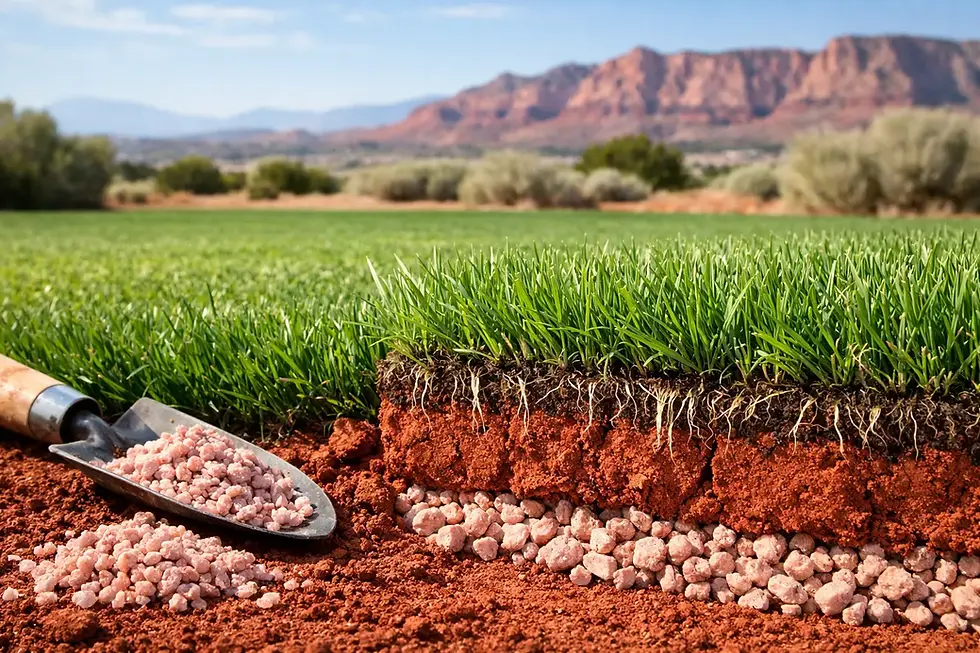
Fine wood compost and other finished organic materials can help rebuild that reserve. For an existing lawn, use a thin, even layer rather than smothering the grass. About one-quarter to one-half inch is generally enough for a topdressing application. Rake it across the lawn so grass blades remain visible, then water lightly to help material settle into the turf.
Nutrients are present but not always available
A green lawn needs nitrogen, but repeated high-nitrogen applications are not a complete soil plan. They may produce fast top growth while roots remain limited by compaction, poor structure, or inconsistent moisture. That can create a lawn that looks good for a short stretch but needs constant correction.
Use a soil test to guide fertilizer decisions where possible. Then focus on root conditions. A healthier root zone makes better use of water and nutrients, helps turf recover from foot traffic, and gives grass a stronger chance during heat and drought stress.
Build Better Lawn Soil Without Starting Over
Most established lawns do not need to be removed and rebuilt. They need a practical improvement plan repeated over time. Start with core aeration, then apply a thin topdressing of compost or a lawn-friendly soil blend. Water it in and allow the material to work into the turf.
If the lawn has bare areas, loosen the top inch or two before adding new seed. Seed placed on hard, untouched soil often germinates unevenly and dries out fast. A modest layer of improved soil gives seed better contact and gives young roots a softer place to establish.
For a full renovation, remove weeds and weak turf, correct major grading issues first, and incorporate organic material into the upper 4 to 6 inches of soil before seeding or laying sod. This is the time to address drainage routes, low areas, and compacted subsoil. It is much easier to create a good root zone before the new lawn is installed than to repair it afterward.
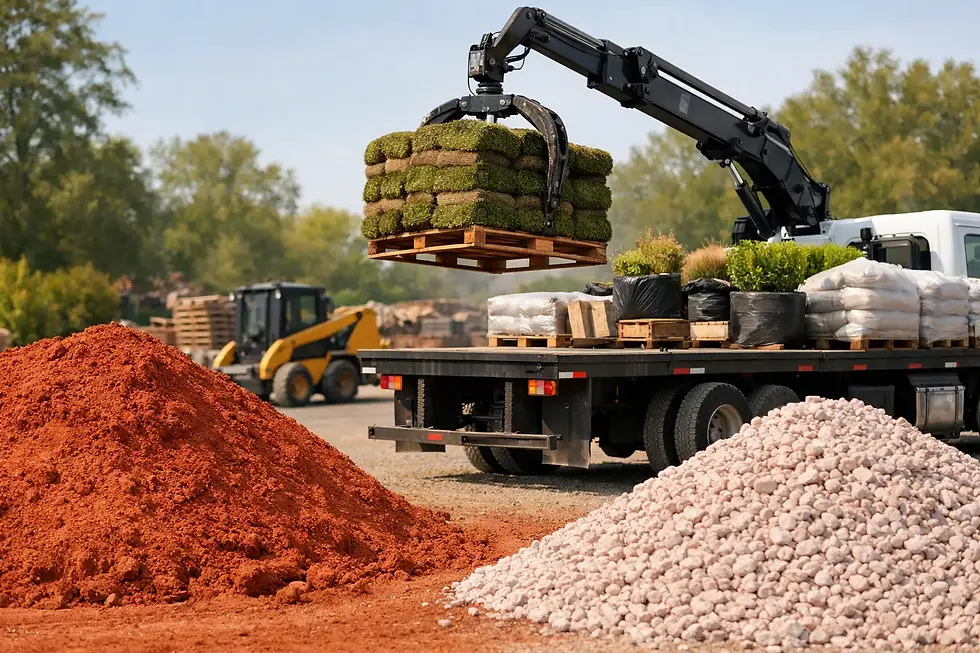
SuperSoil USA offers bulk organic materials and Ferrozite-enhanced Super Soil for property owners who need dependable material for lawn repairs, new planting areas, gardens, and broader landscape work. Buying in bulk makes sense when a whole yard, several bare sections, or a new build needs more material than bags can reasonably provide.
Match Watering to Your Soil, Not Just the Calendar
A healthy soil program and good watering habits work together. Clay-heavy lawns often benefit from cycle-and-soak watering. Instead of applying a long irrigation cycle that sends water down the sidewalk or into a low spot, run shorter cycles with a pause between them. The break gives water time to move into the soil.
Sandy or rocky soil may need shorter, more frequent watering because it drains quickly. The goal is not to keep the surface constantly wet. It is to encourage moisture deeper in the root zone, where grass can develop resilience.
Check irrigation by pushing a screwdriver or soil probe into the lawn a few hours after watering. If it slides several inches into the ground, moisture is reaching below the surface. If it stops quickly in dry, hard soil, adjust your watering cycle or address compaction before simply increasing run time.
Timing Matters in Utah
Early fall is often the best season for improving lawn soil. Summer heat begins to ease, grass still has time to grow roots, and cooler temperatures reduce stress on new seed. Aeration, compost topdressing, and overseeding can work especially well during this window.
Spring is another useful season, particularly for repairing winter damage and treating areas compacted by snow, mud, and traffic. Just avoid working soil when it is saturated. Driving equipment or repeatedly walking on wet clay can create more compaction than you started with.
Summer soil work is possible for small repairs, but it requires more attention to irrigation. Newly seeded or topdressed areas can dry quickly in the heat. If you cannot keep moisture consistent, wait for a more forgiving season.
A Simple Plan for a Lawn That Keeps Improving
For most Utah homeowners, the most reliable approach is steady rather than dramatic. Test the soil when performance is poor or uncertain. Aerate compacted turf. Add a light layer of finished compost or quality soil blend. Seed bare spots when temperatures support establishment. Then water deeply enough to support roots, not just surface color.
Call 435-896-5970 to discuss bulk soil, compost, delivery, and the right material for your lawn project. A few yards of better material, placed at the right time, can do more for a struggling lawn than another season of trying to force grass through hard ground.

Comments