.png)

How to Order Landscape Delivery Without Delays
A dump truck arriving with the right material can move a weekend landscaping project forward fast. The wrong material, an undersized order, or a delivery spot the truck cannot reach can create extra work just as quickly. Knowing how to order landscape delivery starts with a clear plan for what you need, where it will go, and how much room is available when the load arrives.
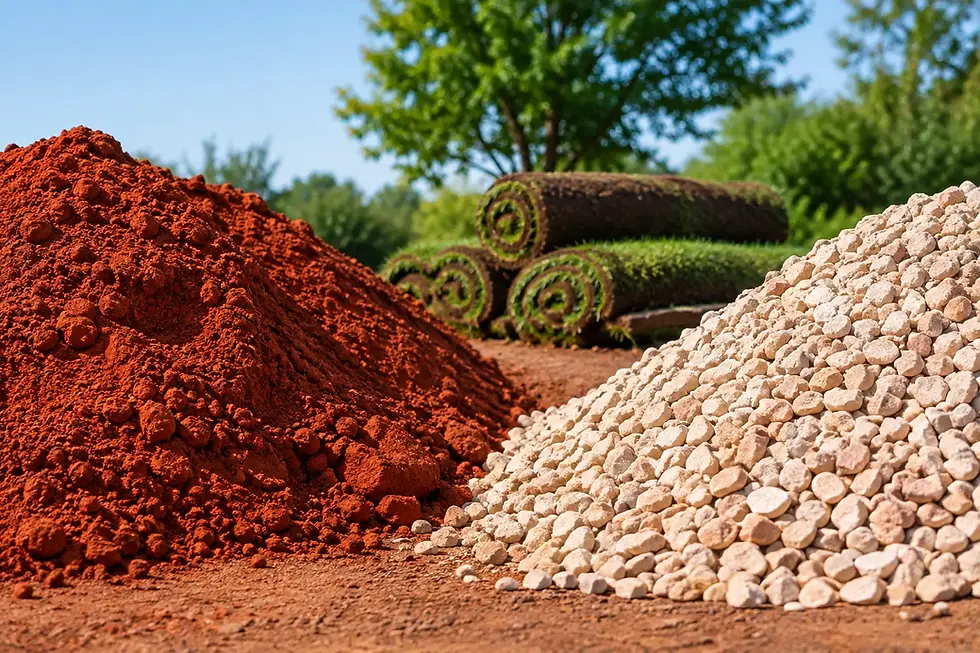
For Utah homeowners, gardeners, and contractors, delivery is often the practical choice for soil, compost, gravel, decorative rock, and road base. Bulk material saves repeated trips and gives you enough product to finish the job consistently. A little preparation before you call or place an order helps ensure the material is right for the project and ready to use when it reaches your property.
Start With the Result You Want
Order by the job, not just by the product name. A garden bed, a driveway repair, a new lawn area, and a finished rock border all call for different materials and different depths.
For planting areas, choose a material that supports healthy growth. Ferrozite-enhanced Super Soil can be a good fit when you are building or refreshing beds, while fine wood compost adds organic matter to garden soil and planting areas. The right choice depends on whether you are filling a new bed, improving existing soil, or topdressing around established plants.
For hardscape work, think about how the surface needs to perform. Road base is made for a firm, compacted foundation beneath driveways, walkways, and other built areas. Gravel can handle drainage and functional coverage. Decorative rock, including Strawberry Cream decorative rock, is selected for finished color, texture, and low-maintenance curb appeal.
If you are not sure which material fits, describe the area and the end result you want when you order. A helpful supplier can narrow the options before a truck is scheduled. This is especially useful when a project has more than one layer, such as road base under a gravel driveway or improved soil beneath a decorative rock border.
Calculate Your Bulk Material Quantity
Most landscape materials are sold by the cubic yard, not by the bag. One cubic yard covers 100 square feet at about 3 inches deep. That rule of thumb is useful, but an accurate measurement will keep you from coming up short halfway through the job.
Measure the length and width of the area in feet, then decide on the finished depth in inches. Multiply length by width by depth, convert the depth to feet by dividing by 12, and divide the total by 27. The result is the approximate number of cubic yards needed.
For example, a 20-foot by 15-foot planting bed is 300 square feet. At 3 inches deep, that bed needs about 2.8 cubic yards of soil or compost. Rounding up to 3 yards gives you a practical working amount. Uneven ground, settling, compaction, and material left in the truck or wheelbarrow can all affect the final coverage.
Depth matters as much as square footage. Decorative rock may be installed around 2 to 3 inches deep for good coverage. Road base needs enough depth for the traffic and ground conditions it will support, then it must be compacted. Garden soil may need a deeper layer if you are building a new planting area rather than simply improving the top few inches.
For large, irregular, sloped, or heavily rutted areas, it is wise to add a reasonable allowance. Do not overorder blindly, though. A pile of extra material still needs a place to go. Share your measurements, desired depth, and application with the supplier so the recommendation fits the job.
Check Delivery Access Before You Schedule
A bulk delivery truck needs more room than a pickup and trailer. Before ordering landscape delivery, look at the full path from the street to the unloading spot. Check gate width, turns, overhead branches, utility lines, parked vehicles, soft ground, fences, and low-hanging rooflines.
A dump truck typically unloads by raising its bed. That means the space above the truck matters just as much as the width of the driveway. Never plan a dump location under power lines, tree limbs, carports, or other overhead obstacles. If the truck cannot safely raise the bed, the driver may need to unload in a different location.
Ground conditions deserve a close look, particularly during spring snowmelt or after a hard rain. A loaded truck can leave marks on soft lawns, muddy shoulders, and weak driveways. If the intended drop area is questionable, choose a firm spot closer to the street and plan to move the material with a wheelbarrow, skid steer, or loader.
Make the pile location practical for the work ahead. Place soil close to garden beds, compost near the planting area, and road base near the driveway repair. At the same time, keep the pile away from garage access, mailboxes, drainage paths, sidewalks, and areas where it could block neighbors or emergency access.
Give Clear Details When You Place the Order
A good order includes more than the number of yards. Tell the supplier which material you need, how much you want, your delivery address, and the preferred delivery date. Give simple, useful directions if the property is hard to find or sits on a rural road.
Be specific about the drop location. “In the driveway” can mean several different things on a large property. A better instruction is something like, “Drop on the gravel pad to the right of the garage, as far forward as safely possible.” If there are hazards, narrow entrances, or a preferred approach from a particular direction, mention them before the truck leaves the yard.
Also confirm whether someone needs to be present. Some deliveries can be made with clear instructions and safe access, while others require the customer to meet the driver. If you cannot be there, make sure gates are unlocked, vehicles are moved, pets are secured, and the drop area is clearly marked.
At SuperSoil USA, customers can order bulk materials through direct local sales, online ordering, by phone, or in person. For delivery questions, material guidance, or help confirming an order, call 435-896-5970. A short conversation before delivery is usually easier than trying to change the plan once the truck is at the property.
Plan the Timing Around Your Installation Work
Schedule delivery when you can put the material to work soon. Soil and compost are easiest to manage when your beds are prepared, edging is installed, and irrigation changes are already handled. Decorative rock goes down more efficiently after weeds are removed and borders or fabric, if used, are in place.
For driveway projects, prepare the surface before road base or gravel arrives. Remove soft material where needed, establish drainage, and have compaction equipment ready if the project calls for it. A fresh load sitting in the way can slow down vehicles and make site preparation harder.
Weather can change the plan. Windy conditions can make fine material harder to spread, and wet ground may not support a delivery truck safely. Freezing temperatures can also affect installation and compaction. Delivery may still be possible, but the best timing depends on the material, your site, and the condition of the ground.
If you need multiple materials, consider the order they should arrive. Base materials generally go down before surface gravel or decorative rock. Soil improvement happens before planting. Planning that sequence keeps piles from blocking the next phase of the job.
Be Ready When the Truck Arrives
Clear the route before delivery day. Move vehicles, trailers, tools, toys, and anything else that could limit access. If you are meeting the driver, have your phone available and be ready to point out the planned unloading area. Drivers will make safety decisions based on actual site conditions, so remain flexible if the original spot is not safe to reach.
Once the material is dumped, avoid driving over the pile or packing it down unnecessarily. Cover soil or compost if bad weather is expected and you will not use it right away. Spread material from the edges of the pile first, working toward the center, rather than tunneling into the base where it can become unstable.
For finished results, do not rush the last step. Grade soil before planting, compact base material in proper lifts, and rake decorative rock to an even depth. The delivery gets the material where you need it. Careful installation is what turns that pile into a greener garden, a stronger driveway, or a landscape that looks finished for years.


Comments