

Strawberry Cream Rock Review for Utah Landscapes
A decorative rock can look right in a sample bin and still miss the mark once it covers a 600-square-foot bed. That is the point of this Strawberry Cream rock review: to help property owners and crews decide whether this warm, light-colored material fits the site before ordering by the ton.
Strawberry Cream is made for finished landscapes where curb appeal matters but the material also needs to handle Utah sun, wind, irrigation, and changing seasons. It brings more color than plain gray gravel without becoming the loudest element in the yard. Used in the right setting, it gives beds, borders, tree wells, and entry areas a clean, settled look that holds up after the plants go dormant.
Strawberry Cream Rock Review: Color and First Impression
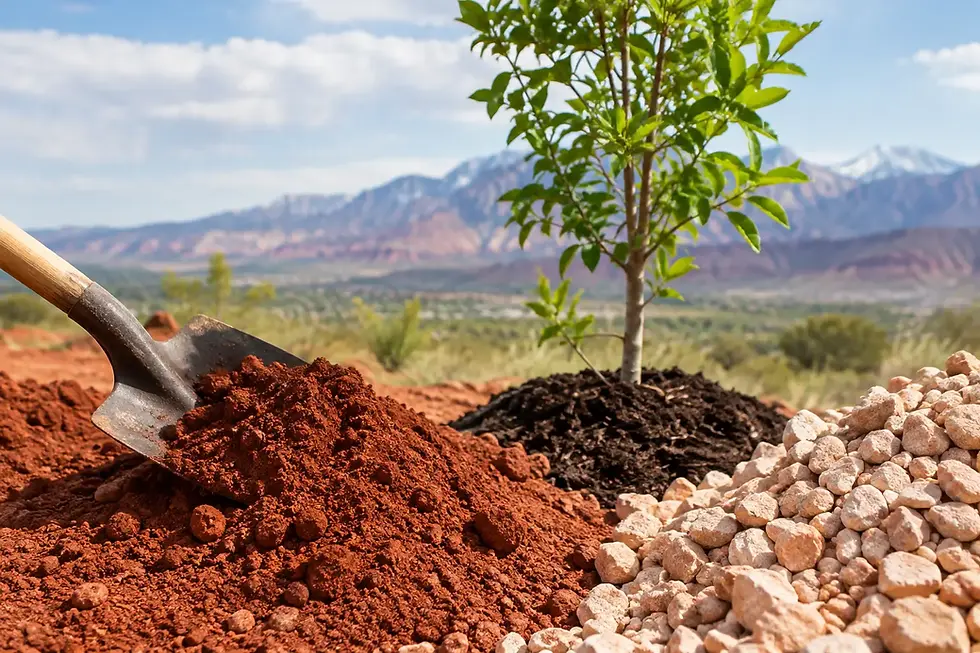
The name tells you what to expect. Strawberry Cream decorative rock carries a soft blend of cream, tan, pink, and muted red tones. Individual stones vary, which keeps broad areas from looking flat or manufactured. From a distance, the overall effect reads warm and light.
That matters in Utah landscapes. Many homes and commercial buildings use stucco, stone veneer, brick, dark metal, or earth-tone siding. Strawberry Cream can soften those materials and add contrast against green turf, blue-green junipers, ornamental grasses, and darker mulch. It also works especially well around flowering perennials because the base color is light enough to frame plants without competing with blooms.
Color is still a site-specific decision. In full sun, this rock will appear brighter than it does in a shaded display area. Wet rock also shows deeper pink and red notes. Before committing to a large order, look at a sample beside the building, existing hardscape, and plants at different times of day. That small check can prevent a costly change order later.
Where Strawberry Cream Performs Best
This is a decorative finish material, not a substitute for road base or a structural gravel layer. Its best use is visible landscape coverage where appearance, drainage, and low-maintenance weed control all matter.
For residential work, it is a strong choice for front-yard beds, foundation plantings, mailbox areas, walkways, firepit surrounds, and dry creek-style accents. It gives a property a more finished appearance than bare soil or faded organic mulch, particularly where irrigation is limited.
On commercial sites, Strawberry Cream works well in parking-lot islands, monument-sign beds, office entries, apartment landscaping, retail frontage, and HOA common areas. These are places where plant material can be sparse in winter but the ground still needs to look intentional. A consistent decorative-rock finish helps the whole installation carry through the off-season.
It can also be useful around drought-tolerant plant palettes. Pair it with shrubs, native-style grasses, ornamental trees, and perennial beds that do not need constant cultivation. The rock reduces exposed soil and mud splash, while the warm color keeps xeriscape areas from looking bare.
The Trade-Off: Beauty Does Not Replace Preparation
Decorative rock is low maintenance, not no maintenance. The finished result depends heavily on what is below it.
A rock bed installed over compacted, weedy ground may look good for a few weeks, then develop volunteer weeds, uneven spots, and visible soil as the rock settles. Landscape fabric can help in certain applications, especially clean new beds, but it is not a cure for poor site prep. Soil and windblown debris eventually collect on top of fabric, and weeds can germinate there.
Start by removing existing weeds and construction debris. Shape the grade so water drains away from structures and does not collect in planting areas. Install edging where a crisp line matters. Then place the rock at a depth that gives full coverage rather than a thin, patchy layer.
For most decorative beds, plan on about 2 to 3 inches of Strawberry Cream rock. Two inches can work in contained, low-traffic planting beds with a firm base. Three inches is the safer target for larger open areas, windy sites, and commercial beds where thin spots will show quickly. A deeper layer may be needed where the existing soil is uneven, but do not pile rock against siding, window wells, or tree trunks.
New plants need special care. Keep decorative rock pulled back from the base of shrubs and trees. Roots need oxygen and water, and crowns can suffer when material stays packed against them. For tree wells, leave a clear ring around the trunk and use a proper planting grade before finishing the surface.
Coverage and Ordering: Get the Quantity Right
Most material shortages happen because buyers measure only the visible bed area and forget depth. Measure length and width in feet, multiply them for square footage, then choose the planned depth. A supplier can convert those numbers into tons based on the product and application.
For a quick field estimate, a 2-inch layer covers roughly 100 to 120 square feet per ton, while a 3-inch layer covers less. Actual coverage changes with rock size, compaction, contours, and how cleanly the area is edged. Curved beds, slopes, and irregular islands usually require extra material.
Commercial crews should include a reasonable overage for touch-ups, truck spread, and future repairs. It is easier to reserve a small amount of matching rock than to find an exact blend years later. Homeowners should also account for the transition zones around edging, boulders, utility boxes, and planting pockets.
When arranging delivery, think beyond the tonnage. Decorative rock is heavy, and the truck needs a safe, accessible dump location. Confirm gate widths, overhead branches, parked vehicles, soft ground, and whether the driver can reach the staging area without crossing finished concrete or turf. Products delivered separately may require separate loads, so coordinate rock, soil, compost, and mulch around the installation sequence.
How It Compares With Other Decorative Rock
Compared with plain gray gravel, Strawberry Cream is warmer and more decorative. Gray is often the practical choice around concrete, modern architecture, and utility areas. Strawberry Cream is better when the landscape needs color and a more welcoming presentation.
Compared with darker lava rock or dark basalt, it reflects more light and can make small beds feel larger. That is useful near shaded entries or along a north-facing side yard. The trade-off is that dirt, leaf litter, and irrigation staining may be more visible on a light-colored rock. Regular blowing and occasional rinsing will keep it looking cleaner.
Compared with wood mulch, decorative rock lasts longer and will not break down into soil each season. It is often the better option for dry, windy, or high-visibility areas. Mulch still has a place around trees, vegetable gardens, and plantings where organic matter is needed at the surface. The right choice depends on the planting goal, not just appearance.
A Better Bed Starts Below the Rock
Rock finishes the surface. It does not improve hard, low-organic native soil underneath. If a planting bed needs healthier shrubs, better color, and more reliable moisture retention, fix the soil before the decorative rock goes down.
For new or renovated beds, spread compost or a quality blended soil amendment across the planting area, then till it into the existing soil before setting plants. A typical starting point is 1 to 2 inches of compost incorporated into the top 4 to 6 inches of soil. Use more targeted amendment where site conditions and plant requirements call for it.
This is where the difference shows up after installation. Plants establish more evenly, irrigation works harder for the landscape, and crews spend less time dealing with stressed material after the punch list. SuperSoil USA supplies Strawberry Cream decorative rock along with bulk compost, enhanced soil, and Ferrozite products so contractors and property owners can build the bed correctly from the ground up.
Is Strawberry Cream the Right Choice?
Choose Strawberry Cream when the project needs a warm, clean decorative finish that works with earth-tone architecture and drought-tolerant planting. It is particularly effective for visible beds that need to look maintained through winter, not just during peak growing season.
Pass on it when the site calls for a strictly neutral gray aggregate, a dark contemporary look, or a structural base material. Decorative rock should match the design and its job. It should not be asked to solve drainage, compaction, or poor soil conditions by itself.
Before you order, measure the area, settle on a 2- or 3-inch depth, choose a realistic dump spot, and check the color beside the site. For help estimating tons or scheduling bulk delivery in Utah and surrounding states, call 435-896-5970. A well-prepared bed and the right rock depth will do more for the finished landscape than any last-minute surface fix.


Comments