.png)
Understanding Soil Amendments: Topsoil, Enhanced Topsoil, Compost, Mulch, and Wood Compost vs. Animal Compost
Understanding Soil Amendments: Topsoil, Enhanced Topsoil, Compost, Mulch, and Wood Compost vs. Animal Compost
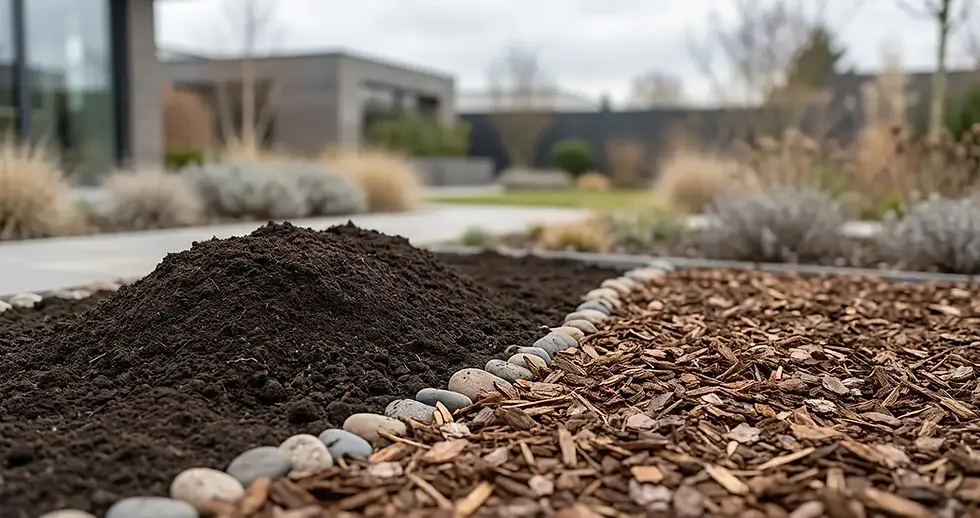
A thriving landscape or productive garden in Utah’s arid climate starts with choosing the right soil products. At SuperSoil USA, we provide premium, locally sourced options like our Super Soil (enhanced with Ferrozite) and Fine Wood Compost to help Utah homeowners and contractors build healthy, resilient soil.
This guide explains the key differences between common soil amendments and mulches—including a detailed look at wood-based versus animal-based compost—and when to use each for best results. Understanding Soil Amendments: Topsoil, Enhanced Topsoil, Compost, Mulch, and Wood Compost vs. Animal Compost
1. Topsoil
What it is: The uppermost natural soil layer (typically 4–12 inches deep), containing minerals, organic matter, sand, silt, and clay for structure.
Best uses:
Filling low spots in lawns
Creating or leveling new garden beds and raised beds
Improving poor native soil before laying sod
General landscaping fill
Limitations: Quality varies; basic topsoil may lack nutrients for optimal plant growth and isn’t ideal alone for containers.
2. Enhanced Topsoil (e.g., Super Soil Blends)
What it is: Topsoil amended with compost, minerals like iron-rich Ferrozite, and organics for superior fertility, drainage, and structure. Our Super Soil is a proprietary Utah blend offering balanced nutrients, excellent moisture retention, and time-release iron.
Best uses:
Top-dressing lawns before sod
Filling raised beds and vegetable gardens
Revitalizing flower beds and tired landscapes
Why enhanced? It combines topsoil’s structure with compost’s biological benefits—perfect for Utah’s challenging soils.
Nutrient Release Through Combining Soil Types
When you combine complementary soil amendments like wood compost (high-carbon, slow-decomposing) with animal/manure compost (high-nitrogen, nutrient-dense) and blend them into enhanced topsoil such as SuperSoil USA’s Ferrozite-amended Super Soil, a powerful synergistic process begins. The ideal carbon-to-nitrogen (C:N) ratio created by this pairing, along with the millions of years of iron buildup in the Ferrozite iron-rich mineral foundation (red colored soil) provided by Ferrozite, fuels rapid yet balanced microbial activity in the soil. Beneficial bacteria and fungi break down the organic matter through chemical processes known as mineralization—converting complex organic compounds into plant-available nutrients like nitrates, phosphates, potassium ions, and trace minerals including bioavailable iron from Ferrozite (like a slow release multivitamin). The woody material provides stable structure and long-term carbon, the manure accelerates breakdown, and Ferrozite supplies essential mineral ions that enhance enzymatic reactions and prevent iron chlorosis common in Utah’s alkaline soils. This balanced combination releases nutrients gradually over weeks, months or years (avoiding leaching common with synthetics), improves pH buffering, boosts cation exchange capacity, and promotes sustained nutrient cycling—resulting in stronger roots, better water retention, and vibrant, greener landscapes with fewer applications.
3. Compost – Wood Compost vs. Animal Compost
Compost is decomposed organic matter that boosts soil life and nutrients. The source makes a big difference.
Wood Compost (e.g., our Fine Wood Compost): Made primarily from decomposed woody materials like tree trimmings, chips, bark fines, and sawdust. It’s high in carbon, screened, and often lightly enhanced with small amounts of turkey or chicken manure. It breaks down slowly, favoring fungal networks.
Animal/Manure Compost: Made from decomposed livestock manure (cow, horse, chicken, etc.) mixed with bedding. It’s high in nitrogen and provides a quicker nutrient release.
Key Differences: Wood Compost vs. Animal Compost
Aspect | Wood Compost | Animal/Manure Compost |
Primary Source | Woody plant material | Animal manure + bedding |
Carbon:Nitrogen | High carbon (slower breakdown) | Higher nitrogen (faster) |
Nutrients | Moderate; long-term fertility | High immediate N-P-K boost |
Soil Biology | Favors fungi/mycorrhizae | Favors bacteria |
Salt Content | Generally low | Can be higher |
Best For | Soil structure & long-term health | Quick fertility for heavy feeders |
Risks | May tie up nitrogen if very fresh | Salt buildup or burn if overused |
When to use each (or both):
Wood Compost: For improving structure in clay/sandy Utah soils, long-term lawn top-dressing, raised beds, or mixing into Super Soil. Excellent for moisture retention and sustainability (use generously).
Animal Compost: For quick boosts in vegetable/flower beds or as a side-dress fertilizer (use sparingly).
Best practice: Combine them—use wood compost for the base and a smaller amount of manure-based for nutrients.
4. Mulch
What it is: A protective surface layer (organic or inorganic) such as wood chips, bark, straw, or shredded leaves.
Best uses:
Weed suppression
Moisture retention and temperature control
Erosion control and curb appeal around trees, shrubs, and beds
Apply 2–4 inches thick. Organic mulches break down over time, adding to soil health.
5. Wood Chips
What it is: Coarser, chunkier pieces of wood (often arborist trimmings)—a type of mulch but larger.
Best uses:
Pathways, high-traffic areas, or under playgrounds
Long-term soil building (slow decomposition)
Caution: Fresh chips can temporarily tie up nitrogen.
6. Potting Soil (Potting Mix)
What it is: Lightweight, sterile blend (peat moss, perlite, vermiculite, compost, bark fines) designed for excellent drainage and aeration.
Best uses:
Containers, pots, hanging baskets, seed starting, and houseplants
Not for: Large in-ground areas (too lightweight and costly).
7. Bark (Bark Mulch)
What it is: Shredded or chipped tree bark, often decorative and longer-lasting.
Best uses:
Formal beds and acid-loving plants (evergreens, blueberries)
Quick Comparison Table
Material | Primary Role | Nutrient Level | Best Location | Longevity |
Topsoil | Structural base | Medium | Lawns, in-ground beds | Permanent |
Enhanced Topsoil | Nutrient-rich base | High | Gardens, lawns, raised | Long-term |
Wood Compost | Structure & long-term | Moderate | Mix in or top-dress | Slow breakdown |
Animal Compost | Quick fertility | Very High | Mix in sparingly | Faster |
Mulch/Wood Chips | Surface protection | Low–Medium | On top | 1–3+ years |
Potting Soil | Container growing | Balanced | Pots & planters | Seasonal |
Bark | Decorative mulch | Low | Visible beds | Longer |
Pro Tips for Utah Gardens
Layer properly: Base with topsoil or Super Soil, amend with compost, then top with 2–4 inches of mulch.
Test your soil: Utah’s alkaline, arid soils love the organic matter, iron, and structure from Ferrozite-enhanced Super Soil and wood compost.
Amend, don’t replace: Till in 2–3 inches of compost or Super Soil into existing beds (Regularly).
Sustainability: Local wood compost and recycled organics build resilient soil that holds moisture better in dry spells and supports the water cycle.
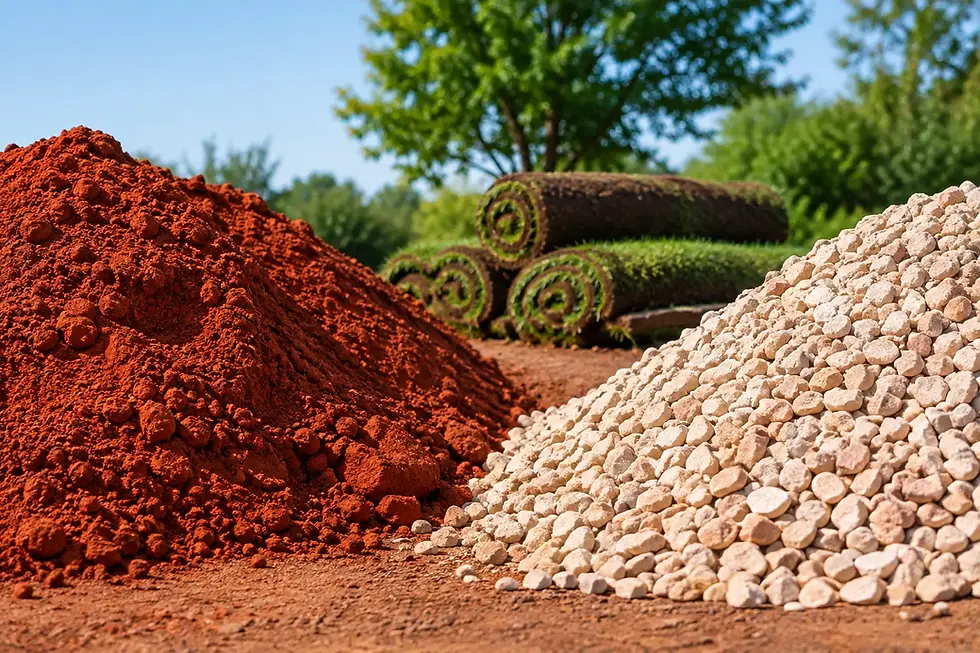
Ready to build better soil? SuperSoil USA offers bulk delivery and pickup of Super Soil, Fine Wood Compost, Ferrozite, decorative rock (including Strawberry Cream™), and more across Richfield, Sandy, Provo, and surrounding areas.
Contact us today at (435) 896-5670 or visit supersoilusa.com to get started. Let’s create landscapes that stay green and healthy for years!
SuperSoil USA – Proudly serving Utah with quality soils, organics, and rock products grown and sourced locally.


Comments