.png)

Ferrozite Versus Topsoil: What Your Yard Needs
A yard can look finished the day fresh material is spread, then reveal the real test a few weeks later: whether grass establishes, flowers hold their color, and garden plants keep growing when Utah heat arrives. The choice between Ferrozite versus topsoil matters because these materials do different jobs. One is designed to improve the growing environment. The other is mainly used to add soil volume, shape a grade, or provide a base for planting.
If you are filling low spots, building up a new planting area, or preparing a broad lawn, topsoil may be the practical starting point. If your goal is better long-term plant performance, Ferrozite can be the more valuable material. In many projects, the best answer is not one or the other. It is using each where it does its best work.
What Topsoil Is Meant to Do
Topsoil is the upper layer of soil used for landscaping, leveling, and general planting. It gives you bulk material for creating a lawn area, filling shallow depressions, smoothing rough ground, or establishing a base beneath beds and shrubs. For large projects, it is often the material that gets the site ready for the next step.
That does not mean every topsoil product performs the same way. Topsoil can vary widely based on where it came from and how it was screened or blended. One load may be loose and easy to spread, while another may contain more clay, sand, or small rock. Some topsoil holds water well. Some dries quickly. Some has enough organic matter to support plants right away, while some needs improvement before it becomes a productive growing medium.
For Utah properties, that variation matters. Native ground can be compacted, alkaline, rocky, or low in organic material. Simply covering it with several inches of basic topsoil can make a yard look better, but it may not solve the conditions that limit roots below the surface.
Topsoil is generally the right fit when you need volume and shape. Think of it as the foundation material for broad landscape work. It is useful for final grading before sod or seed, backfilling around new landscape areas, and creating enough depth for a new lawn or bed.
What Makes Ferrozite Different
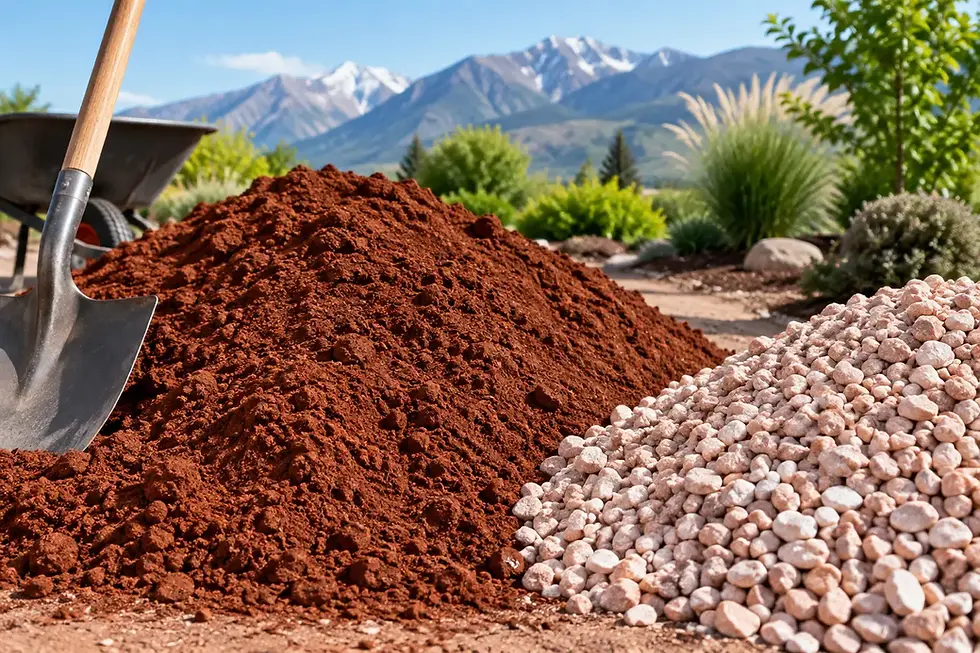
Ferrozite is a soil-enhancing material made for landscapes where healthier, more consistent growth is the priority. Rather than treating soil as simple fill, Ferrozite is intended to help create a better environment for roots and the plants that depend on them.
That difference shows up most clearly in demanding areas. A vegetable garden that has struggled to produce, a flower bed that dries out too quickly, or a lawn with thin, uneven growth may need more than added dirt. It may need material that improves the soil profile where roots are trying to establish.
SuperSoil USA offers Ferrozite and Ferrozite-enhanced Super Soil for homeowners and contractors who want more from their growing areas. It is especially useful when you are starting a garden, refreshing established beds, planting shrubs, or preparing lawn areas where better root development can make the difference between a temporary improvement and a landscape that keeps looking good.
Ferrozite is not a replacement for every load of topsoil on a major grading project. If you need to raise a large area by several inches, using premium soil-enhancing material for the entire depth may not be the most cost-effective approach. Use bulk topsoil to establish the grade, then place Ferrozite or Ferrozite-enhanced soil where plants will actually grow.
Ferrozite Versus Topsoil for Common Projects
The right material depends on what you are trying to accomplish, not just what is easiest to spread.
New lawns and lawn repairs
For a new lawn, start by getting the grade right. Topsoil is often useful for smoothing the surface, filling low areas, and building a workable planting layer. But lawns need more than a level surface. Grass roots need a growing zone that supports establishment and holds up through hot, dry periods.
If your existing lawn is thin or patchy, Ferrozite can be a smarter choice for the areas you are rebuilding. Work it into the upper soil layer before seeding or laying sod rather than leaving it as a thick surface layer. This gives roots a more consistent place to grow while still keeping the lawn level for mowing.
For a large new yard, a combination is often the practical answer: topsoil for grading and volume, with Ferrozite-enhanced material in the upper planting zone. That approach helps control the budget without treating the lawn as an afterthought.
Vegetable gardens
Gardens are where soil quality becomes obvious fast. A tomato plant, pepper plant, or row of squash can only perform as well as its root zone allows. If your garden soil is hard, tired, or difficult to keep evenly moist, adding more ordinary dirt may not give you the change you want.
Ferrozite is better suited to garden beds because the entire area is dedicated to plant growth. Mix it through the planting depth before you plant, especially when building new raised or in-ground beds. Fine wood compost and other organic materials can also be useful additions when your soil needs more organic matter and a looser texture.
Topsoil still has a place in a garden project when you need to build the bed up first. Once you have the needed depth, use Ferrozite where the roots will be. That is where the investment pays off.
Flower beds, trees, and shrubs
A flower bed often needs enough material to create an attractive, raised shape along a home or walkway. Topsoil can provide that base. But annual flowers, perennials, shrubs, and young trees benefit from better planting soil around their roots.
Use topsoil to form the bed, then incorporate Ferrozite into the planting area. Avoid the temptation to fill a planting hole with a material that is completely different from the surrounding soil. A gradual, well-blended transition encourages roots to move outward instead of staying confined to one soft pocket.
For established beds, spreading a thin layer of Ferrozite and gently working it into open soil can help refresh the growing area. Be careful around existing roots and avoid piling material against plant stems or tree trunks.
Low spots and landscape grading
When water pools near a patio, a driveway edge, or the center of a lawn, the first issue is usually grade, not soil fertility. Topsoil is typically the better choice for correcting minor low spots because it gives you the volume needed to reshape the surface.
Before adding material, identify why water is collecting. A low area may be caused by settling, poor drainage direction, compacted ground, or a downspout that unloads too much water in one place. Good material helps, but it cannot replace a sound drainage plan.
Once the area is shaped correctly, use Ferrozite selectively in the top layer if you are reseeding or planting. That lets you solve the grading problem and support healthy turf at the same time.
How Much Material Should You Use?
Depth depends on the project. For a lawn renovation or garden improvement, the goal is usually to amend and blend the upper growing zone rather than bury existing soil under a thin, disconnected layer. For building a new bed or raising a low area, you may need more bulk material first, followed by a better planting mix near the surface.
Measure the length, width, and intended depth of the area before ordering. A few extra inches over a large yard can add up quickly, and guessing often leads to too little material or an unnecessary second delivery. Contractors and homeowners alike save time when the site is measured before the truck arrives.
If you are unsure whether your project calls for topsoil, Ferrozite, compost, or a blend, describe the area, its current condition, and what you plan to plant. The right recommendation starts with the result you need: leveling, drainage correction, lawn establishment, garden production, or long-term bed performance.
Choose for the Result You Want
Topsoil is practical for creating grade, filling space, and giving a landscape project its starting shape. Ferrozite is the better choice when the focus is on the quality of the growing zone and the health of the plants that will live there. Neither material is automatically right for every job.
For many Utah yards, the strongest approach is layered: establish the shape with the right amount of bulk soil, then use Ferrozite where roots need a better place to grow. That is how a project moves beyond looking freshly finished and starts performing season after season.
For help matching material to your lawn, garden, or landscape bed, call SuperSoil USA at 435-896-5970. A clear plan before delivery makes the work go faster and gives your plants a better start.


Comments